
The Peruvian Mountains Are Calling
Crazy dogs, high altitude riding and wild camping paradise

An introduction to Peru
After nearly 2 months roaming around Colombia, it was time to move on to Peru. I could have easily spent another 2 months in Colombia but with the seasons changing I was keen to keep moving. It's tricky to line up good weather in every country. In Colombia the dry season is around July and August, so I landed there at the perfect time. However, overlapping with Colombia, the dry season in Peru runs from May to August. I arrived in Peru in the middle of September, keeping my fingers crossed the mountain views wouldn't be completely obscured by rain clouds just yet.
The Peruvians are known for their delicious food and top-tier restaurants, especially in Lima. This was my second time in Peru though and I was racing the weather, so after just a day in Lima I made a beeline for the mountains. In my one day in the city, I made sure to stop for a fresh bowl of ceviche, the national dish of Peru. Ceviche is a dish consisting of raw fish cured in lime juice, served with corn, onion and potatoes. It may not sound appealing but it is absolutely delicious.
As well as Peruvian food, you can find some incredible Peruvian Japanese fusion restaurants here. Peru has the 5th largest Japanese population outside of Japan so it's no surprise that the Japanese influence is so strong. I could easily spend months and all my savings dining out in Lima, but I'll save that for another time.


Arriving in the mountains
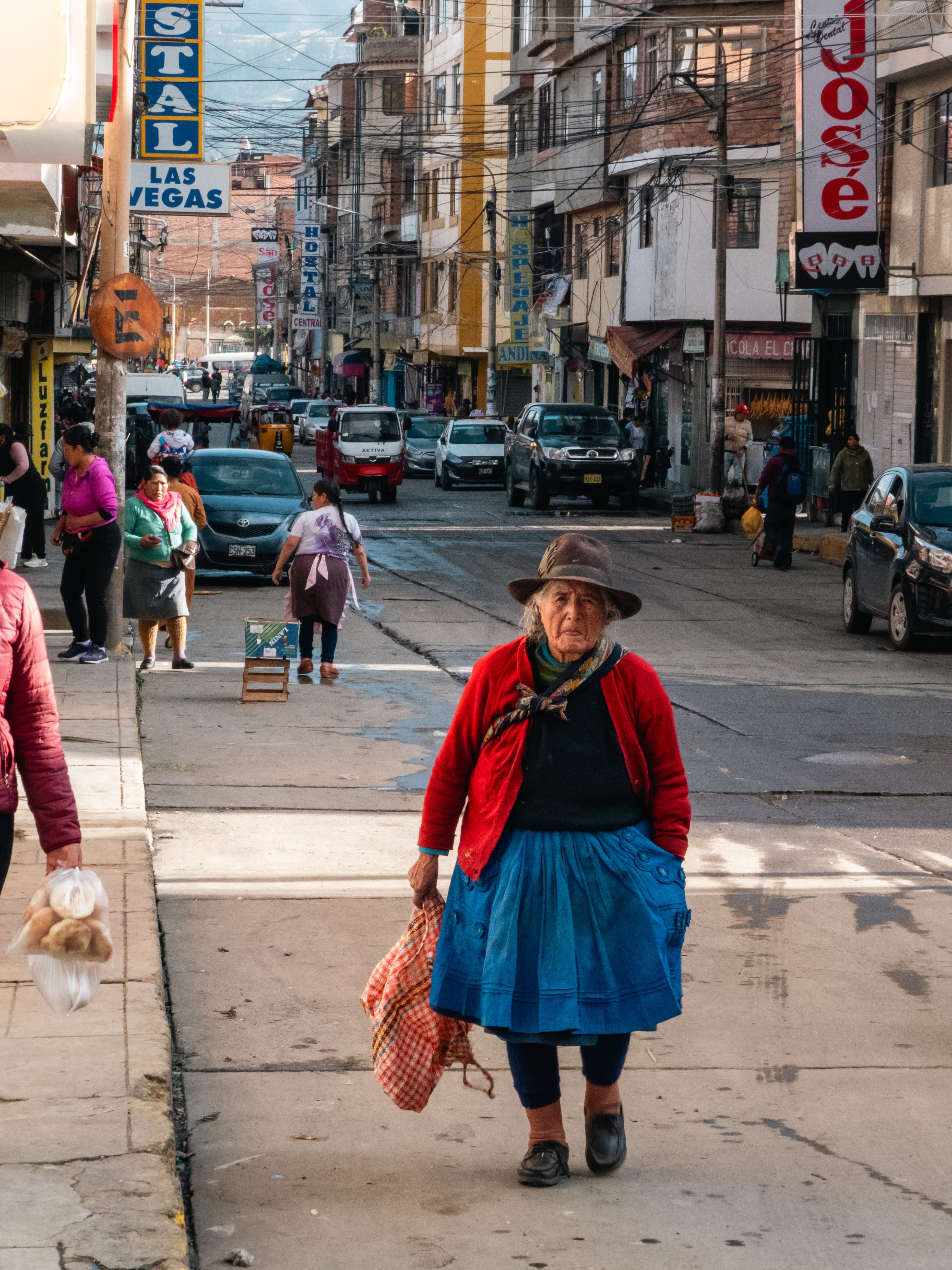
I arrived in Huaraz after an overnight bus from Lima and was immediately hit by the altitude. Huaraz sits at 3,000m and although it's only 400m higher than I was acclimatised to in Bogotá, I was really feeling it. Walking up the stairs had me feeling light-headed and I had to be careful not to stand up too fast. At this height, every few hundred metres really makes a difference.
Huaraz is a hub for mountain adventures, with glaciers, lagoonas and high peaks in every direction. There are plenty of epic places to explore so I decided to base myself here for a few weeks. There was one route in particular that I really had my eye on: the Huascaran Circuit.
The Huascaran Circuit is a loop of the Huascaran National Park, circling Peru's largest mountain, Huascaran, at a whopping 6,768m. The route as I had planned would take 5 days. First I would head to the lowest point of 2,400m before climbing to over 4,700m then descending and doing it all over again on the other side. It was sure to be an epic route but first things first I'd need to get acclimatised.
My first ride
After a couple of days of chilling in Huaraz, it was time to go for my first ride. But there was one thing that was really holding me back: fear of the dogs. I have to caveat this to say that in Ireland I absolutely love dogs, but the dogs in South America are not like the loveable dogs we have in Ireland. I had been warned that the dogs here can be pretty aggressive and after already being bitten in Colombia I was pretty terrified. I didn’t really want to ride at this point, my mind was running through all the possible scenarios that could happen. What if I got mauled to death by a pack of dogs? I struggled to get myself out the door but after a few days of procrastination, I finally left in the direction of the mountains.
In hindsight, the plan for my first ride was way too ambitious. I was aiming for Laguna Llaca, a glacial lake at 4,400m, a 1,400m jump up from Huaraz. But that challenge was to be faced later, as first I'd have to deal with the dogs. I headed out and was immediately on high alert for the dogs. They were everywhere. As I got a couple of kilometres out of town I had my first altercation. I heard crazed barking and two large dogs sprinting at me from up the road. I used to ignore the dogs but after talking with some cyclists about the Peruvian dogs I had a new strategy. I immediately hopped off the bike and roared at the dogs, holding the bike between me and them as armour. It worked! They backed off and let me pass, still barking as I slowly walked the bike away from them.
I would have plenty more of these interactions in Peru and I had to learn to manage them. It's not an enjoyable experience dealing with the dogs here, but it's the price you pay for the epic mountain adventures.
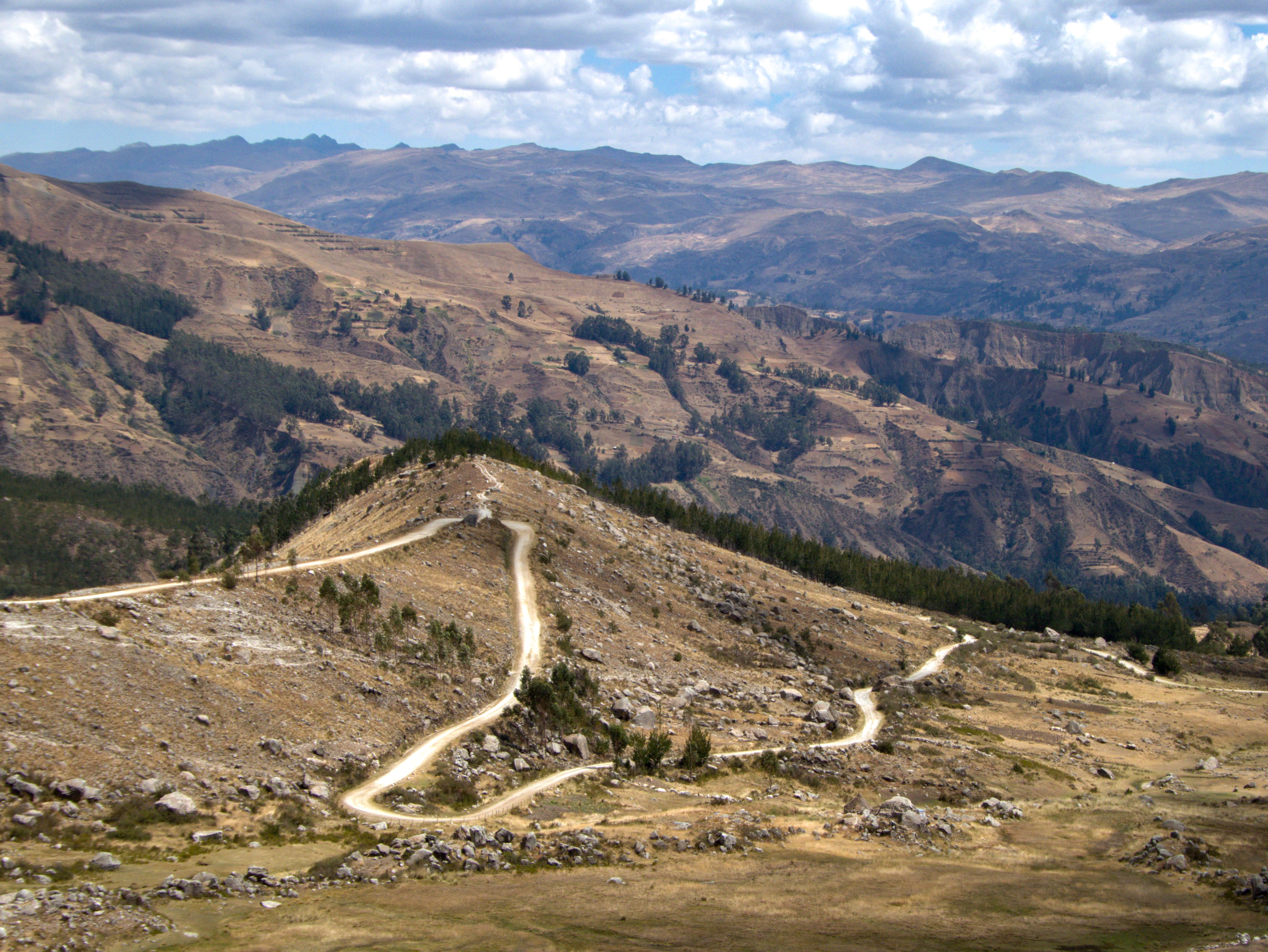
After 90 minutes of climbing this road lined with houses (and dogs), I emerged from the trees and into the national park. This opened up to epic views of Huaraz below and of the snow-capped mountains above that I was heading towards. I plodded along slowly, but by 3,600m I was light-headed with the altitude and doubting my ability to reach the top. I followed the dirt track, zig-zagging around the mountains and took in the breathtaking views. Meanwhile, my struggle with the altitude was worsening, leaving me feeling light-headed, faint and depleted of energy. By the time I was 3 kilometres from the top, I could barely manage walking with the bike. I reluctantly packed it in and went back to Huaraz.


Take 2
After some shorter rides and a few more days to acclimatise I set off on my first overnighter in Peru. This would be my first time sleeping up so high, camping at 4,200m, and would be a good test of my acclimatisation. This ride would turn out to be much more of a success than my first. I was able to manage the dogs now pretty effectively and I was feeling massive improvements with the altitude.
I left Huaraz in the morning following the main road and after a few kilometres I turned off onto a small dirt road. This dirt track would take me up to Laguna Rajucolta, a glacial lake around 35km away and up above 4,200m. 35km doesn't sound like much but at altitude it is. It's hard to compare to anything at home but I can say with certainty that I have more energy after riding 150km in Ireland than I often do riding 35km here in the mountains. It was slow-moving getting there and at times I found myself walking the bike while I gasped for air. At 3,800m, a few guys in a pick-up truck drove up beside me. They offered me a lift for the final kilometres to the end of the dirt road, allowing me to throw my bike in the back and enjoy the views. About 5km from the top of the climb the truck pulled up in front of a huge locked gate. The guys helped me lift my bike over the wall beside it so I could head on alone. One more wall awaited me a few hundred metres down the track and I struggled to get the bike over it without the guys’ help. After stripping the bike of its bags I managed to haul it over, huffing and puffing with the effort.
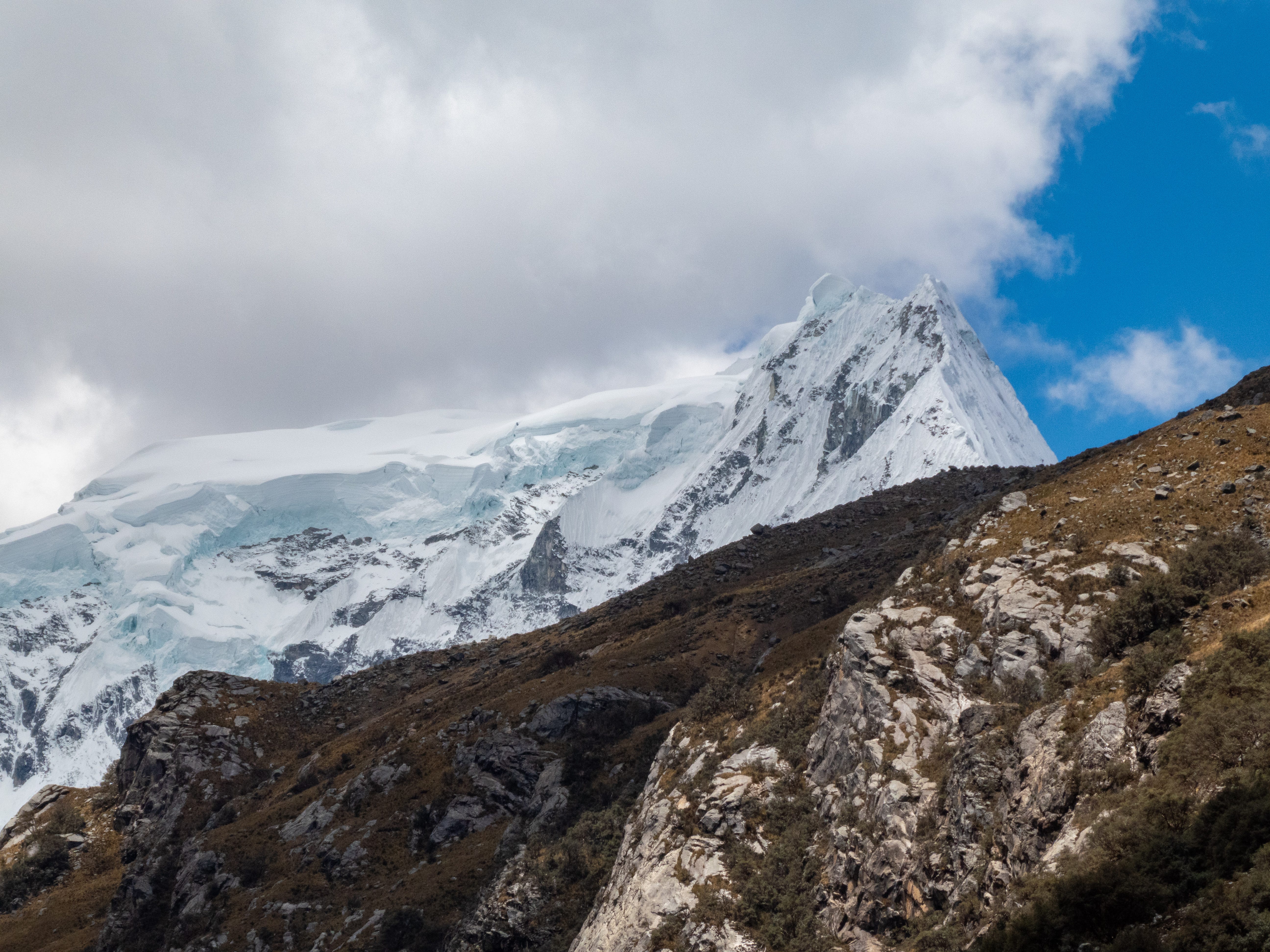
After that there were no humans around, it was completely remote. Just a few highland cows to keep me company as I continued up. I slowly plodded to the top, breathing heavily as I went. It was tough riding but I felt considerably better than I had the last time at the same height. No fear of fainting this time around.
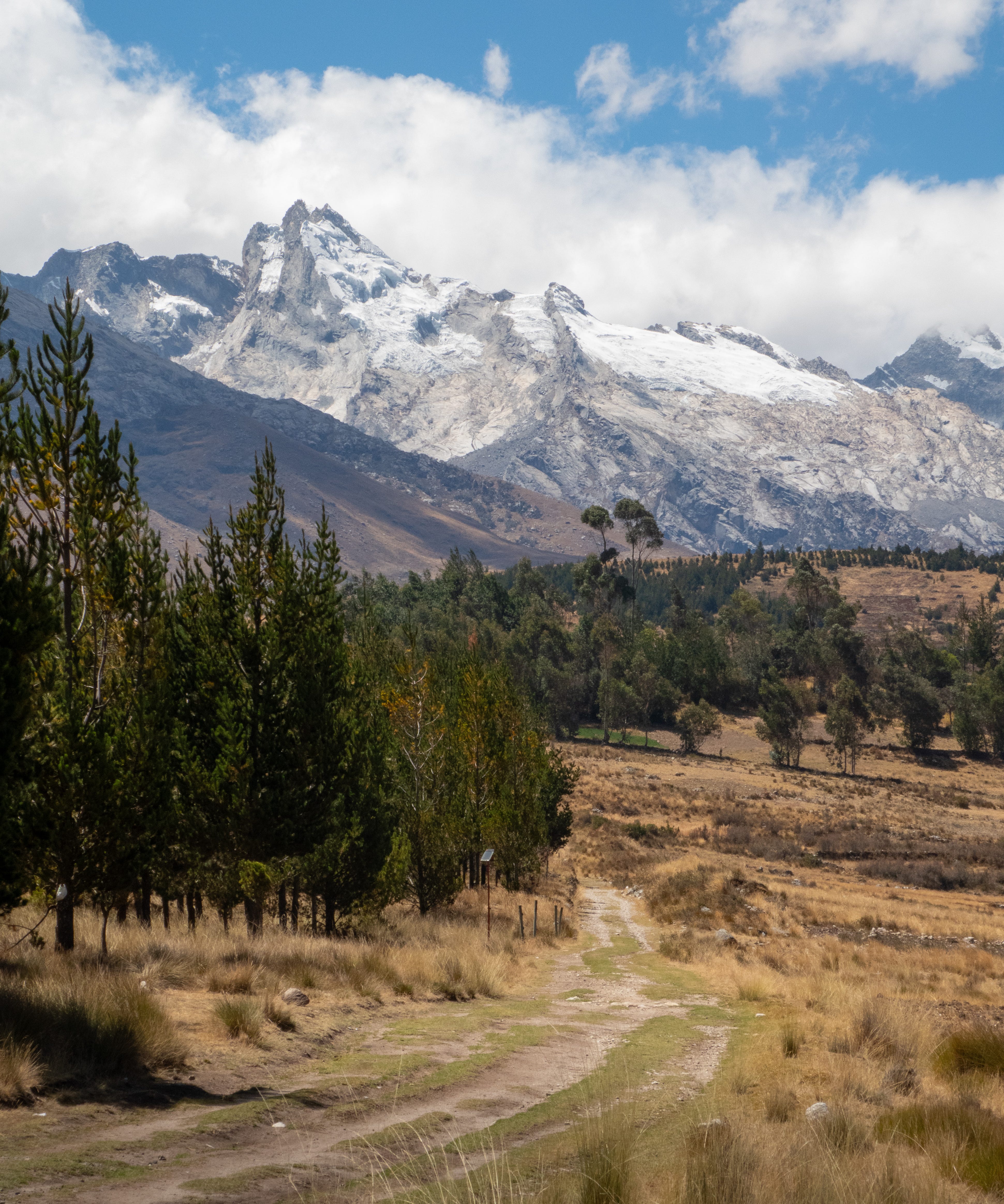
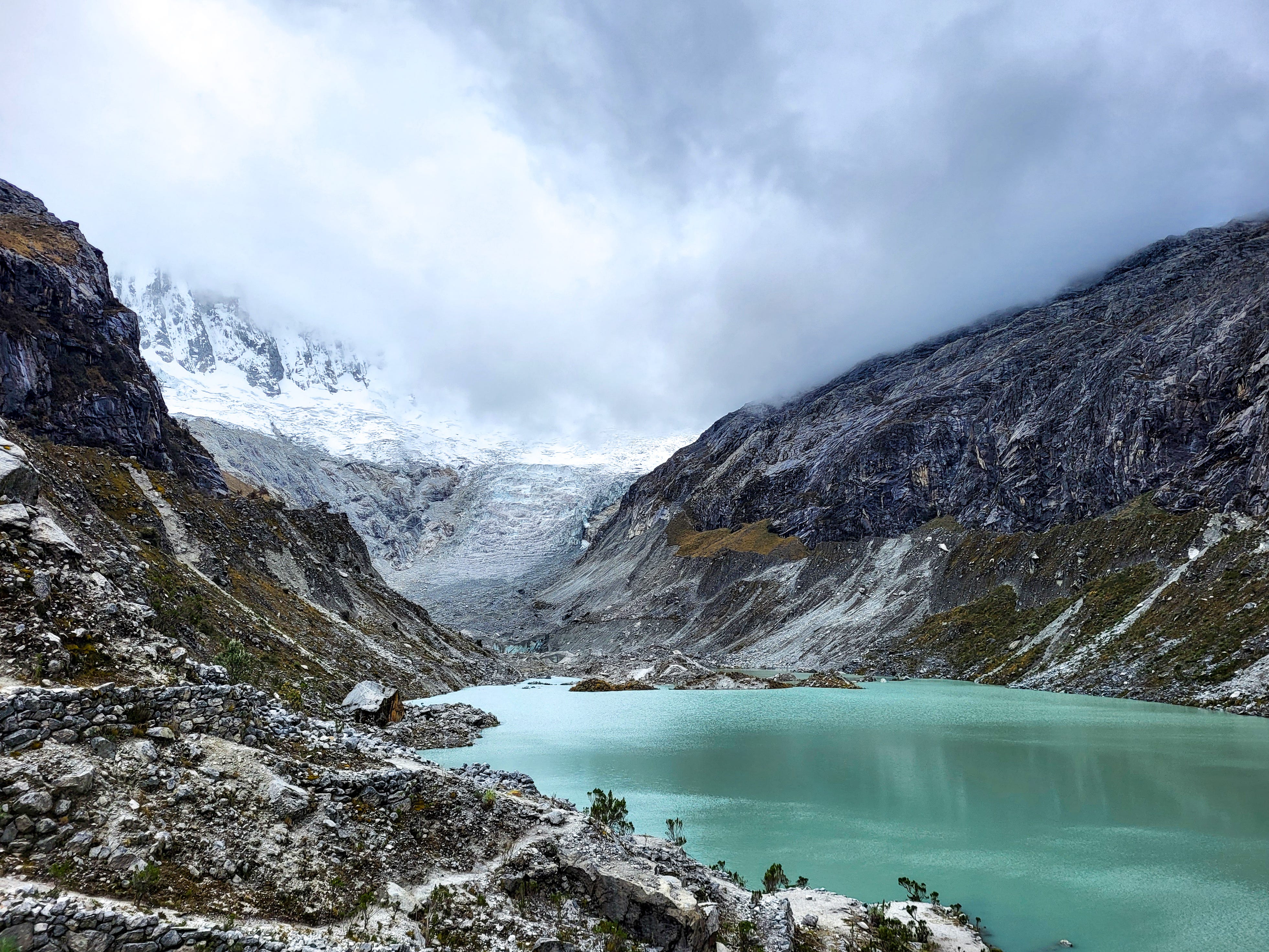
Keeping an eye on my navigation I could see I was approaching the lake but I would have to cross a rickety little bridge to get there. I popped the bike down and continued the final metres on foot. As I climbed up the views opened up. Snow-capped mountains with a glacier reaching down into the blue lake in front of it. I had reached Laguna Rajucolta.
Feeling accomplished I turned around to find the optimal camp spot. Spoiled for choice, I decided on a relatively flat piece of ground close to a freshwater source and with a stunning view of the mountains. I pitched up my tent and settled in for the night.
Huascaran Calls
After a successful overnighter, it was time to start preparing for the Huascaran Circuit. This would be a meaty challenge but I was feeling well enough acclimatised at this stage to take it on.
The first day was an easy ride to get the legs moving. I rode from Huaraz to Yungay, descending down to 2,400m over the course of 57km. It took just a few hours so upon arrival I rested up and prepared for the next day.
Day two was where the fun began. I was straight on to a whopper climb, which would take me all the way from 2,400m to above 4,700m. I would be climbing all day and still wouldn't reach the top. In fact, I would be riding on a dirt track up to the same height as Mont Blanc, the highest peak in the Alps. I was set on a camping spot at 4,300m as I had been told about an apparently flat piece of land off the side of the dirt track with epic views. Given the rainy season the sky generally only clears for a few hours in the morning so wherever you're camped is where you'll get the best views. I ploughed on towards that spot, trying to make it up before the heavens opened.
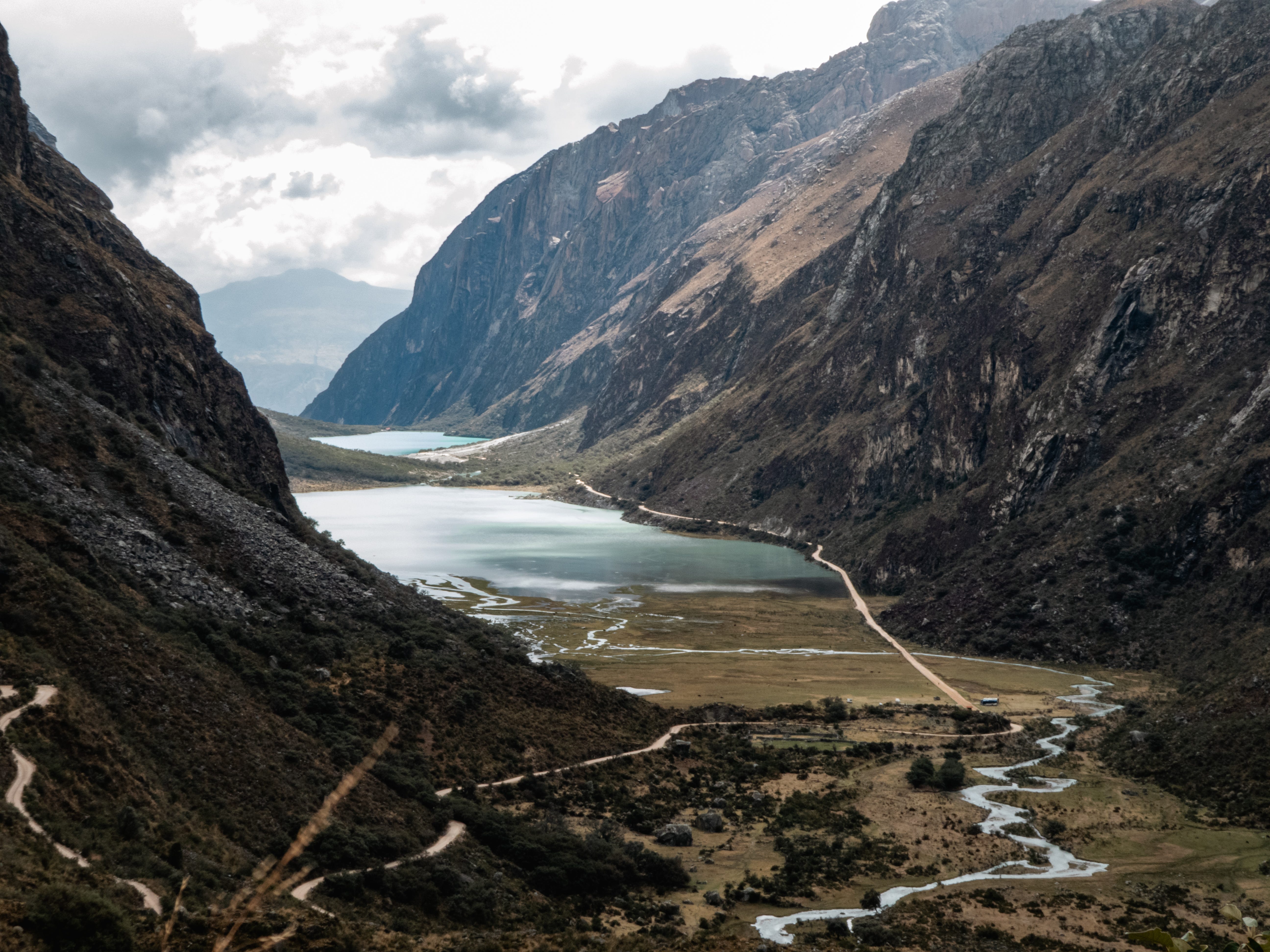
After 5 hours of climbing, I reached the first glacial lake. This was the bluest blue I've ever seen. I continued on and the views just got better and better. Another lake and a turquoise river with cows grazing in the meadows on either side. Then came the switchbacks. The road winded up the mountain and I eventually made it up to my camp spot. I kicked away dried cow pat to make space for my tent and pitched up. It had been on and off raining for the afternoon so there wasn't much to see apart from moody-looking mountains but I was hopeful that the morning would bring clear skies.
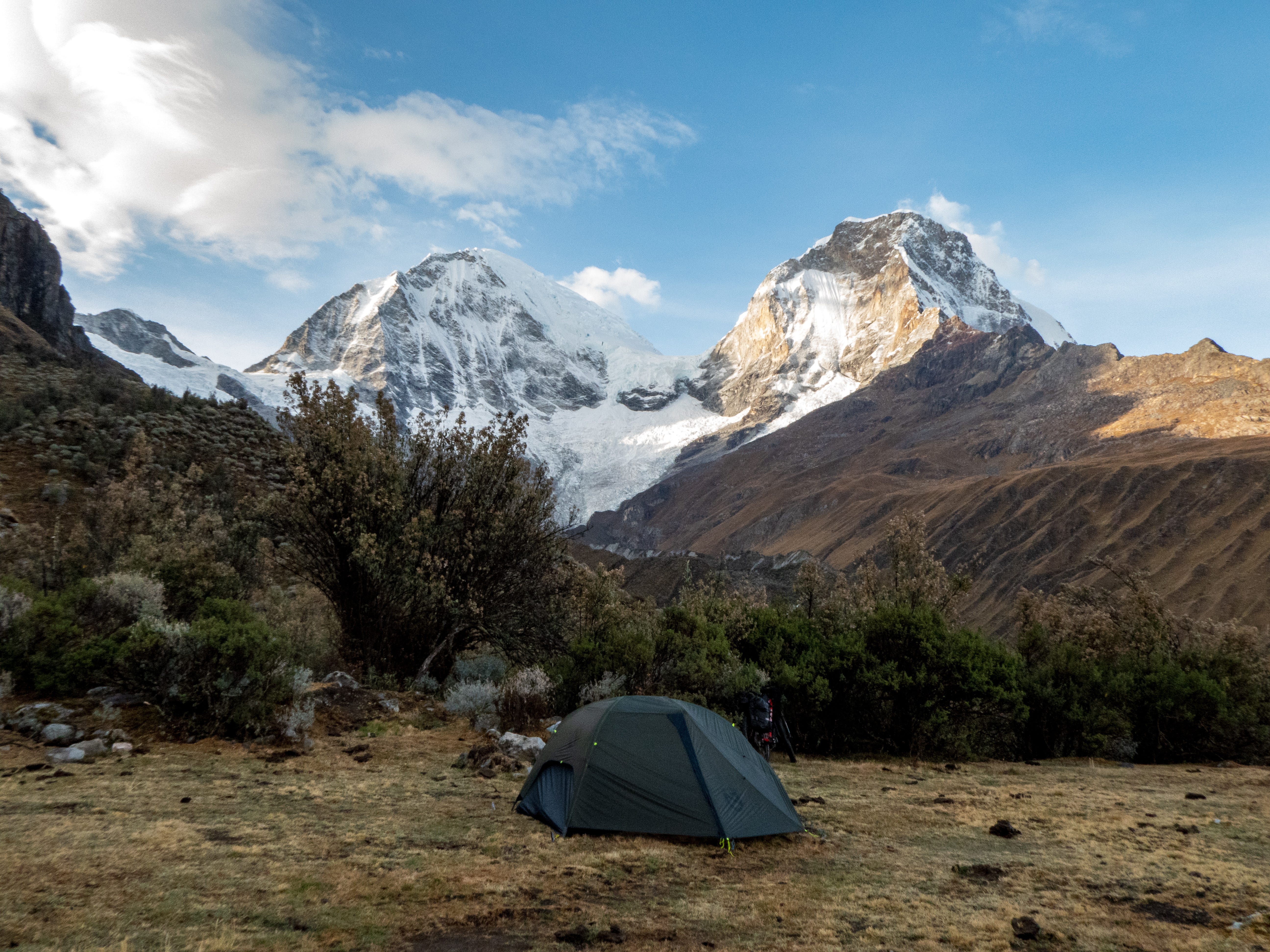
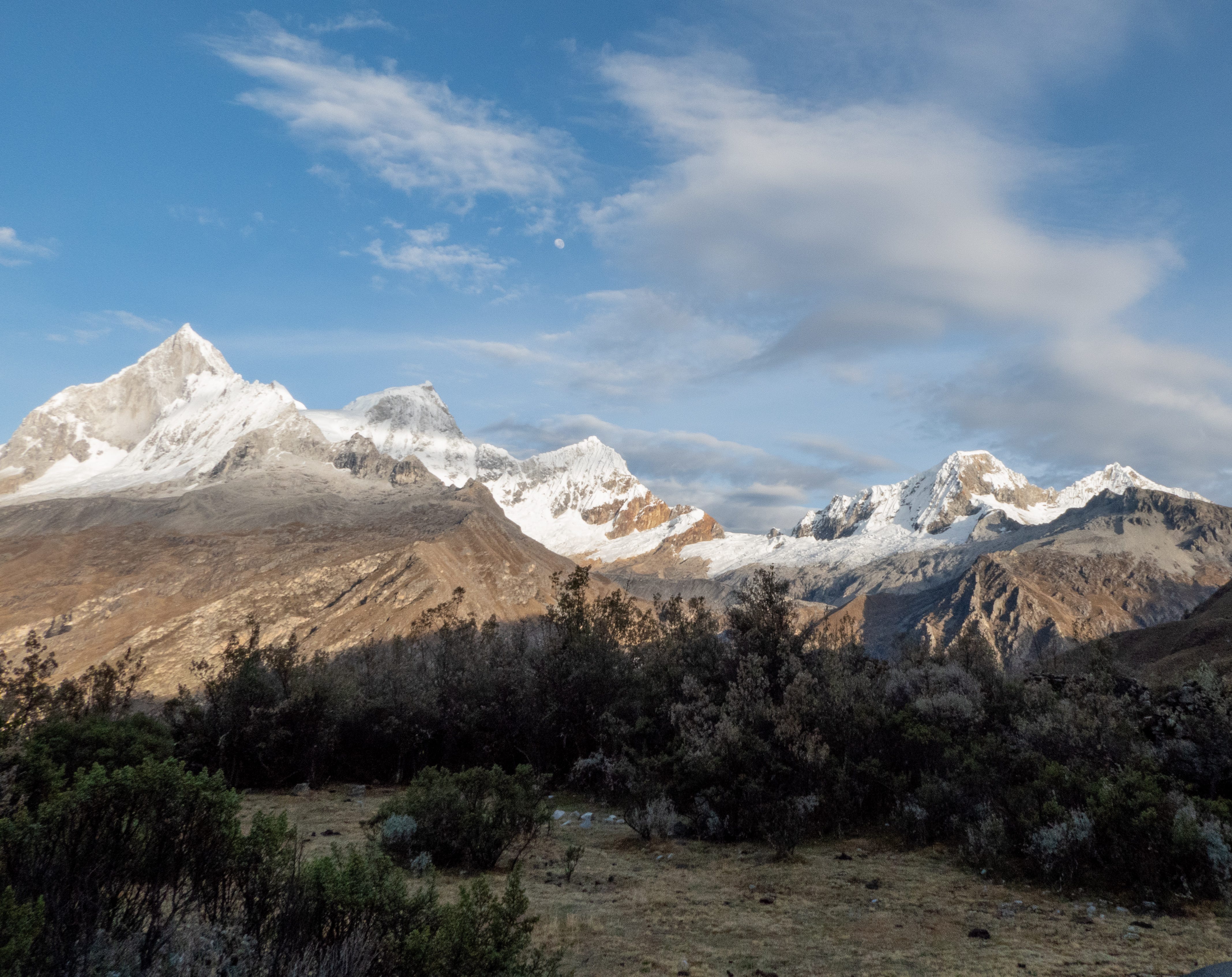
I opened my tent the next morning to the most spectacular views I've ever seen. Right in front of me was Huascaran, towering above at 6,768m, along with a handful of other snow-capped peaks. It was absolutely stunning. I sat cooking my porridge on my stove while admiring the mountains and listening to the sound of the birds. With clear blue skies and just a few wispy clouds lingering above, it was pretty spectacular. With no phone signal to be seen since the previous morning, I was completely alone in the wilderness. Just me and the mountains.
After packing up camp I hopped back on the bike and continued up the mountain pass. I was heading towards some very dark moody-looking clouds at the top of the pass. Trouble ahead. I slowly crept my way up, grinning to myself as I took in the views around me. Many times I had to stop to catch my breath but eventually, I made it to the top.
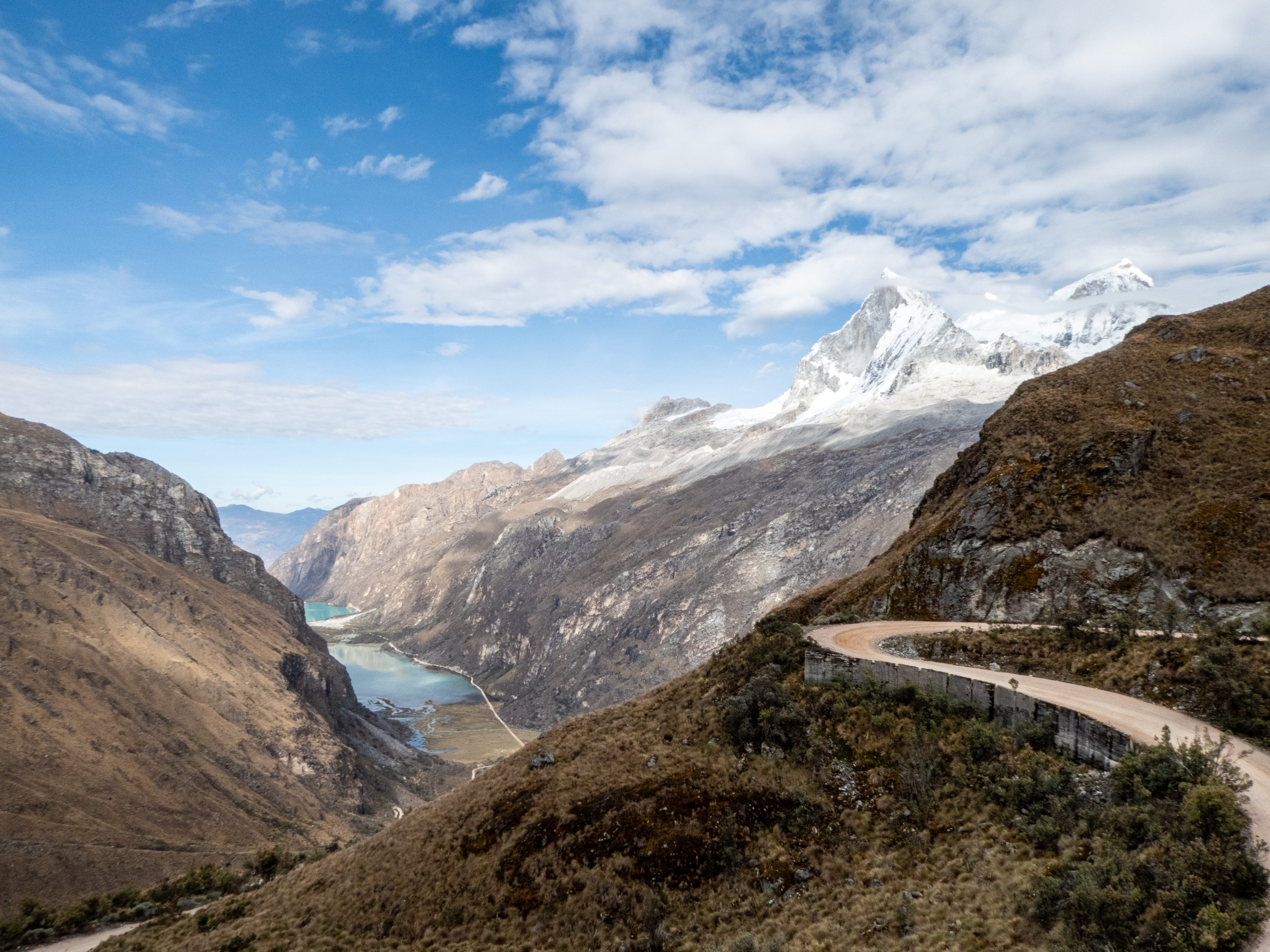
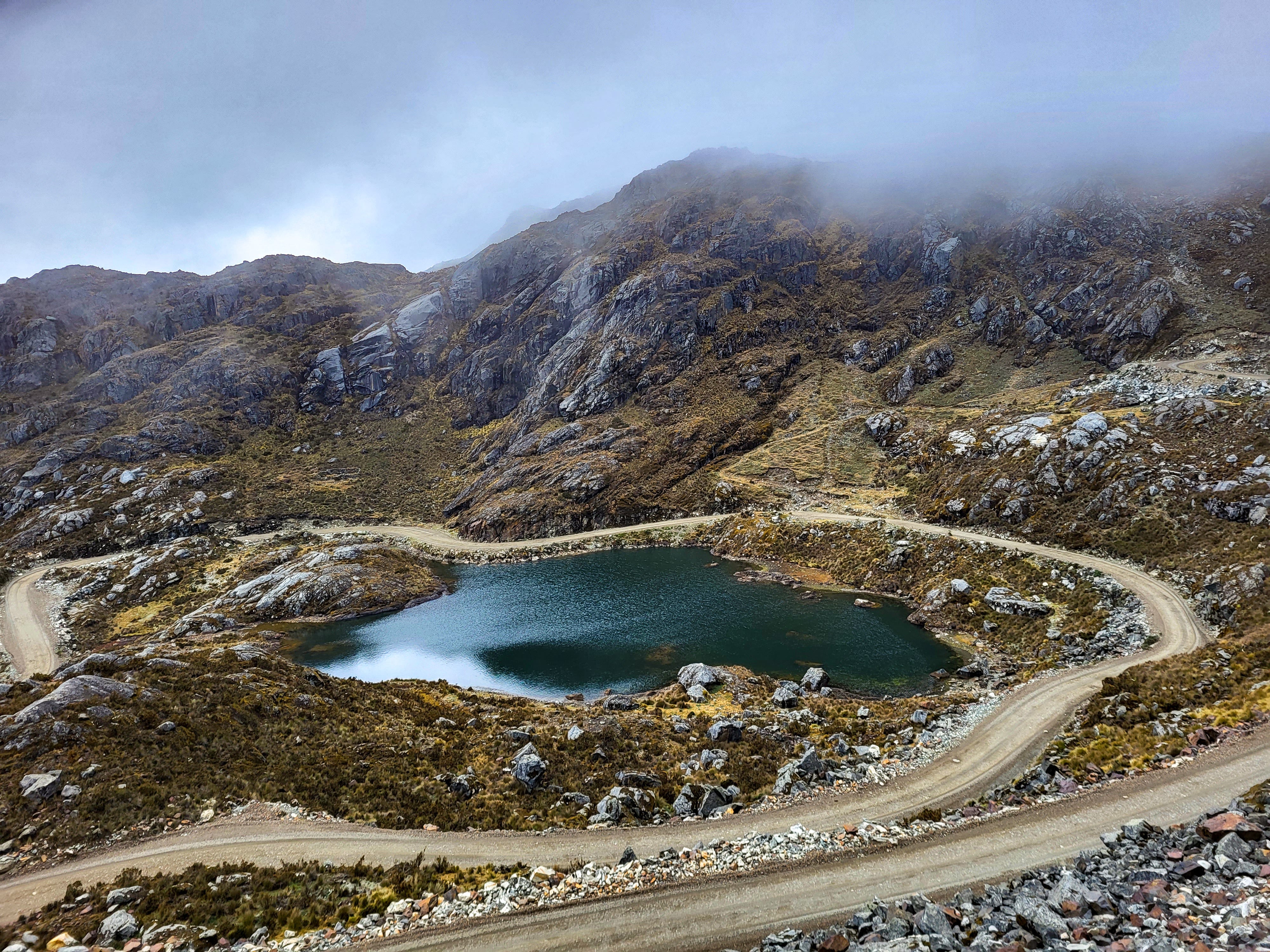
Climbing over the top I descended into a completely different world. Gone were the clear blue skies and snow-peaked mountains and instead came a moody sky with rugged terrain. The dirt tracks descended down, circling a deep blue lagoona along the way. With no dogs in the national park, I was able to fully emmerse myself in the descent. I descended for a long time - nearly 2 hours - before I hit the village of Yanama. I took the opportunity to buy some snacks and set off on the next climb.
After a long day of climbing and descending, I reached the village of Chacas, just in time for sunset. I had pushed on in the hope of finding a warm bed here and I was in luck! I checked into a small hotel on the plaza de armas (main square) and settled in for the night.
The next morning I was straight into the big climb of the day, which would ultimately take me back up above 4,700m. As I left the village, houses lined the side of the road for the following kilometres. I rounded a corner to be met by the sound of barking and three dogs running at me. I dismounted the bike as the dogs inched closer, barking aggressively. Then another 2 appeared from the same garden. I braced myself for trouble. Before I knew it an old lady came running out of the same garden screaming at the dogs with a large stick in her hand. She wasn't taking any nonsense. She smacked the dogs with the stick until they scampered off, tails between their legs. This was certainly a site you don't get in Ireland.
After a few hours climbing, I heard a deep rumbling noise. Nervously I looked around waiting for the lightning to appear. I didn't really fancy being this high up in the mountains in the middle of a thunderstorm. No lightning appeared and a few minutes later I heard the same rumbling. I looked up at the mountain ahead and to my disbelief, I saw a pile of snow and rocks crashing down from the top. It wasn't thunder. It was an avalanche!
I weaved on up the mountain, experiencing hail, rain and sun as I went. Finally, I reached the top and looked back on the winding road I had just struggled up for hours. I sat down and made myself an avocado sandwich and just took it all in.
After descending through the clouds on the other side I found a flat piece of land to set up camp. There wasn't much to see at this stage with all the clouds and rain but I knew I was surrounded by mountains so was likely to get a nice view in the morning. I pitched up and got cosy just in time for torrential downpour. I cooked my dinner under the rainfly of my tent and settled in with my book for the night.
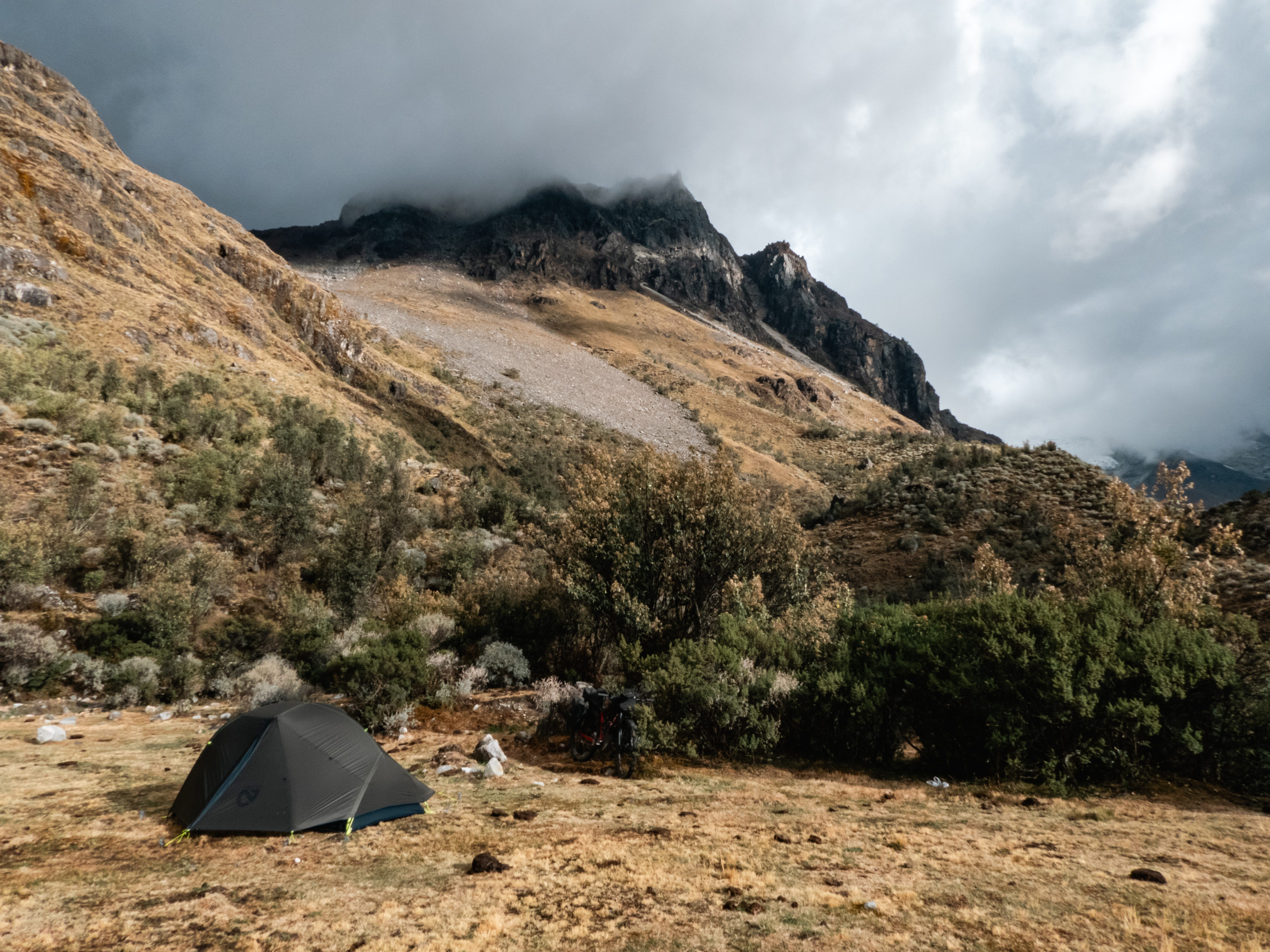
At midnight I was woken from my slumber by barking directly outside my tent. Dogs! How could there have been dogs? I was deep in the national park and hadn't seen any dogs since the previous morning leaving the last town. I fumbled around in the tent looking for anything to use as a weapon and cursed myself for not properly cleaning up after cooking earlier in the night. The barking continued and I sat there mulling over what to do. In the end, I decided to sit tight and hope the dog would lose interest. After half an hour the barking stopped and I didn't hear any more noise outside. I felt pretty unsettled after that and didn't sleep very well but figured the best thing to do would be to wait until daylight to emerge from the tent.
Morning came and there was no sign of the dog. I wasn't prepared to hang around and see if it came back though, so I packed up quickly and got moving. No waiting around for the nice mountain views this morning; I just wanted to get out of there. Plus, I was on the home stretch now and was dreaming about getting a proper feed in Huaraz. If I got a move on I could be back by lunchtime. In Peru, you can get a very tasty menu del dia (menu of the day) for €2-4 which generally includes a soup, a main of your choice and a drink. I flowed down the massive descent in the national park dreaming about lunch. After a slow, tired pedal back to Huaraz, I was ready to eat my body weight in food and rest my tired legs.